Physical Address
304 North Cardinal St.
Dorchester Center, MA 02124
Physical Address
304 North Cardinal St.
Dorchester Center, MA 02124

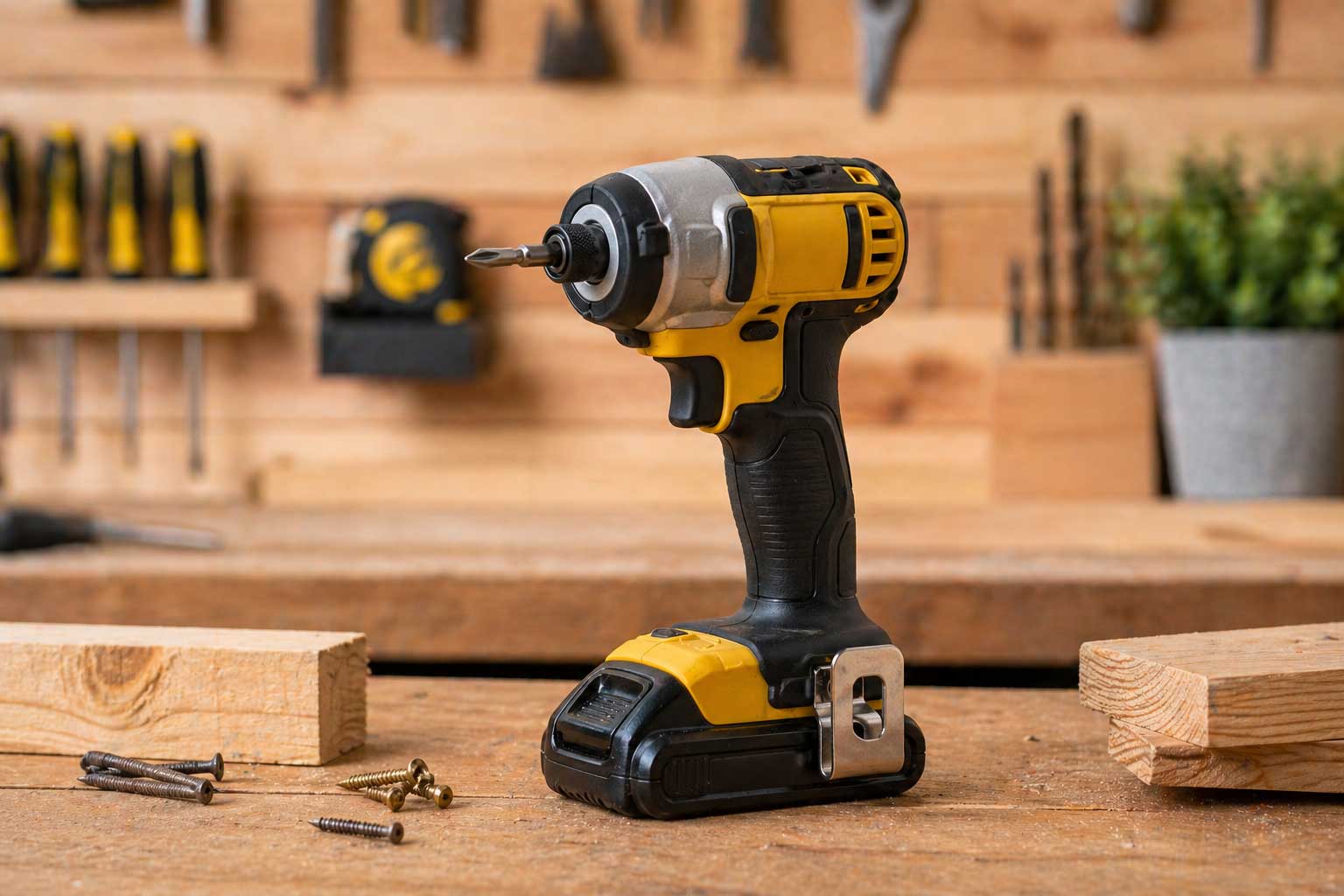
Buying your first cordless drill can feel confusing fast. You see 12V drills, 20V drills, brushless motors, clutch settings, chuck sizes, batteries, and combo kits, and suddenly a simple home tool starts looking more complicated than it should.
The good news is that beginners do not need the biggest or most expensive drill. For most home projects, the best cordless drill for beginners is the one that feels comfortable in your hand, starts smoothly, and has enough power for everyday jobs like assembling furniture, hanging shelves, drilling pilot holes, and tightening loose screws.
If you mostly want a drill for simple indoor projects, a compact 12V model is usually easier to learn with. If you want one drill for bigger weekend repairs, a 20V option gives you more room to grow.
If comfort is your biggest concern, you may also like our guides on the best cordless drill for women and the best cordless drill for seniors. Both focus on lightweight drills, easy control, and home-use comfort.
| Category | Product | Best For |
|---|---|---|
| Best Overall | DEWALT DCD701F2 12V MAX | Best mix of size, power, and control |
| Easiest to Control | Bosch PS31-2A 12V Max | Small hands and overhead work |
| Best Budget | BLACK+DECKER LDX120C 20V MAX | Occasional home repairs |
| Best Value Brushless | SKIL PWR CORE 12 | Modern features at a fair price |
| Best Beginner Hammer Drill | DEWALT ATOMIC DCD709C2 | Brick, concrete, and wall anchors |
| Best Powerful Beginner Drill | DEWALT DCD771C2 20V MAX | Bigger DIY projects |
| Best Simple Starter Kit | Pink Power PP121LI 12V | Light tasks and easy setup |
A beginner-friendly drill should make the job easier, not more stressful. You want a drill that starts smoothly, feels balanced, and gives you enough control to drive screws without stripping them.
For most beginners, the most useful features are:
A beginner does not need a heavy contractor drill for simple home projects. A compact 12V drill is often easier to learn with, while a compact 20V drill makes sense if you want more power for bigger jobs later.
One of the most confusing parts of buying your first drill is understanding the difference between a drill driver, a hammer drill, and an impact driver. They look similar, but they are built for different jobs.
For most beginners, a basic drill driver is the best first choice. It can drill holes in wood, plastic, drywall, and thin metal, and it can also drive screws for furniture, shelves, cabinet hardware, and small repairs.
A hammer drill is better if you need to drill into brick, block, or concrete. It adds a hammering action that helps the bit break into masonry. If you live in a home with brick or concrete walls and plan to install anchors, curtain rods, or shelves, a hammer drill may be worth considering.
An impact driver is different. It is excellent for driving long screws, deck screws, and fasteners into dense wood, but it is not always the best first drill because it does not work exactly like a normal drill driver.
| Tool Type | Best For | Beginner Recommendation |
|---|---|---|
| Drill Driver | Wood, drywall, furniture, shelves, basic repairs | Best first choice for most beginners |
| Hammer Drill | Brick, concrete, masonry anchors | Buy if you drill into walls often |
| Impact Driver | Long screws, decking, framing, dense wood | Useful second tool, not always needed first |
If you are buying your first power tool, start with a drill driver unless you already know you need to drill into masonry.
We focused on drills that are easy for beginners to understand and use. Comfort, control, battery convenience, clutch settings, and real home usefulness mattered more than raw power.
We included both 12V and 20V options because beginners have different needs. Some people want the lightest tool possible for furniture, shelves, and small fixes. Others want one stronger drill that can handle bigger weekend projects. We also added a hammer drill option for beginners who need to drill into brick, concrete, or wall anchors.
| Product | Voltage | Key Specs | Best Use |
|---|---|---|---|
| DEWALT DCD701F2 | 12V | 3/8 in chuck, 2-speed, compact 5.97 in body | Best overall beginner drill |
| Bosch PS31-2A | 12V | 1.8 lb, 3/8 in chuck, 265 in-lb torque | Best lightweight control |
| BLACK+DECKER LDX120C | 20V | 3/8 in chuck, 11-position clutch, LED light | Best budget drill |
| SKIL PWR CORE 12 | 12V | 1/2 in chuck, up to 1,700 RPM, 350 in-lb torque | Best value brushless |
| DEWALT ATOMIC DCD709C2 | 20V | Hammer drill mode, compact 20V design | Best for masonry beginners |
| DEWALT DCD771C2 | 20V | 1/2 in chuck, 2-speed, 300 UWO | Best powerful option |
| Pink Power PP121LI | 12V | 18+1 torque settings, 2-speed, battery gauge | Best simple starter kit |

The DEWALT DCD701F2 is the drill I would recommend first to most beginners. It gives you the right mix of comfort, control, and real drilling power without feeling oversized.
Because it is a compact 12V drill, it is easier to manage than many full-size 20V models. That matters when you are learning how much pressure to apply, how to keep the bit straight, and how to avoid stripping screws.
It is a good fit for common first projects like assembling furniture, hanging curtain rods, installing shelves, drilling pilot holes, and tightening hardware around the house. It also feels like a proper tool, not a weak starter drill you will outgrow immediately.
Pros
Cons
Best for: beginners who want a quality drill they can learn on and keep using.
Avoid if: you only need the cheapest possible drill for rare small tasks.

The Bosch PS31-2A is a great beginner drill if your main concern is control. At about 1.8 lb, it is easy to hold, easy to aim, and much less tiring than many larger drills.
That lightweight feel helps when you are working overhead, reaching into cabinets, or trying to keep a screw straight. If using a drill feels intimidating, this Bosch is one of the friendlier options because it does not feel bulky in the hand.
It is not the strongest drill in this list, and it is not meant for heavy construction work. But for furniture assembly, cabinet fixes, shelves, and basic home repairs, it is one of the easiest drills to live with.
Pros
Cons
Best for: beginners who want the easiest drill to handle.
Avoid if: you need a drill for large holes, concrete, or heavy outdoor work.

The BLACK+DECKER LDX120C is a simple, affordable drill for beginners who only need a tool for light home use. It is not fancy, but it covers the basic jobs most new DIYers care about.
This drill makes sense if you want to assemble furniture, install hooks, tighten loose screws, or drill into wood and drywall once in a while. The 11-position clutch is useful because it helps prevent overdriving screws, which is a common beginner mistake.
It is not as smooth or refined as the Bosch or DEWALT options. Still, if you want a low-cost starter drill for occasional repairs, it is a practical pick.
Pros
Cons
Best for: beginners who want a low-cost drill for occasional tasks.
Avoid if: you plan to do regular DIY and want a smoother long-term tool.

The SKIL PWR CORE 12 is a good choice if you want modern features without paying premium-brand pricing. It has a brushless motor, a 1/2-inch keyless chuck, and enough power for many light-to-medium home projects.
For beginners, the appeal is value. You get a compact drill with useful speed control, a strong chuck size for a 12V tool, and a battery setup that is easy to use around the house.
This is a nice middle ground if you want something more capable than a basic budget drill but do not want to jump straight into a more expensive DEWALT or Bosch kit.
Pros
Cons
Best for: beginners who want strong value and modern features.
Avoid if: you prefer a more established pro-tool platform.

If you need a beginner-friendly drill that can handle occasional masonry, the DEWALT ATOMIC DCD709C2 is worth considering. Unlike a basic drill driver, this model includes hammer drill mode, which helps when drilling into brick, block, or concrete.
This is not necessary for everyone. If you only plan to assemble furniture, hang pictures, or drill into wood and drywall, a normal drill driver is simpler and usually lighter. But if your home has masonry walls, a hammer drill can save you a lot of frustration.
The DCD709C2 is compact for a 20V hammer drill, and it gives beginners room to grow into bigger projects. It is a good choice if you want one drill that can handle everyday DIY plus occasional wall-anchor work.
Pros
Cons
Best for: beginners who need to drill into brick, block, or concrete sometimes.
Avoid if: you only need a drill for furniture, shelves, and light indoor repairs.

The DEWALT DCD771C2 is a better fit for beginners who already know they want more power. It is a 20V drill, so it can handle tougher wood, larger screws, and bigger weekend projects better than most compact 12V drills.
The tradeoff is weight and size. This drill may feel like more tool than a complete beginner needs for simple household jobs. But if you want one drill that can grow with you as your projects get bigger, it is a strong option.
It is especially useful if you want to work with thicker boards, drill into studs, or build out a cordless tool platform over time.
Pros
Cons
Best for: beginners who want a stronger drill for future projects.
Avoid if: you mainly need a small drill for furniture, shelves, and light repairs.

The Pink Power PP121LI is a simple light-duty drill kit for beginners who want something easy to start with. It is best for small home tasks, crafts, furniture assembly, and basic screwdriving.
This is not the drill I would choose for heavy DIY, but it can be a friendly starter option for someone who wants a simple kit and does not plan to drill into tough materials often.
One note before buying: some Amazon listings for this model may be renewed or vary by seller, so check the condition, included parts, warranty, and return policy before purchasing.
Pros
Cons
Best for: beginners who want a simple drill kit for light projects.
Avoid if: you want a long-term drill for bigger repairs.
For most beginners, a 12V cordless drill is the easiest place to start. It is lighter, easier to control, and powerful enough for many home projects.
A 20V drill is better if you want more power for thicker wood, outdoor tasks, or frequent DIY.
| Choose 12V If | Choose 20V If |
|---|---|
| You want lightweight comfort | You need more power |
| You are new to drills | You plan bigger projects |
| You work indoors mostly | You drill into tougher wood |
| You assemble furniture or hang shelves | You want one stronger all-purpose drill |
If you are unsure, start with a good compact 12V drill. It will be easier to learn on, and it will still handle most basic home repairs.
For lighter comfort-focused options, see our guide to the best cordless drill for women.
A lighter drill is easier to control while you are learning. If the drill feels too heavy, it can be harder to keep straight, especially when working overhead or inside cabinets.
Clutch settings are very important for beginners. They help control torque, which lowers the chance of stripping screws or damaging furniture.
A smooth trigger lets you start slowly. This helps when driving screws, drilling pilot holes, or working with softer materials.
A 3/8-inch chuck is fine for most beginner home projects. A 1/2-inch chuck gives more room for larger bits and heavier work.
Choose a lithium-ion battery. If you plan to use the drill often, a kit with two batteries is more convenient because one battery can charge while the other is in use.
A built-in LED helps when working inside cabinets, closets, corners, and dim rooms. It is a small feature, but it makes beginner projects easier.
A cordless drill is only part of the setup. To make your first projects easier, it helps to keep a few basic accessories nearby.
Here is a simple beginner drill kit:
You do not need to buy every accessory at once. Start with a good drill bit set, a screwdriver bit set, safety glasses, and wall anchors. Those will cover many beginner projects like hanging shelves, assembling furniture, and installing small fixtures.
Do not buy the most powerful drill just because it looks impressive. A heavy drill can make simple jobs harder.
Do not skip pilot holes. A small pilot hole makes screws easier to drive and reduces the chance of splitting wood.
Do not use the wrong bit. Drill bits and driver bits are different, and masonry bits are different again.
Do not ignore clutch settings. Start low, then increase power only if the screw needs more force.
Do not force the drill. If it gets stuck, stop and check the bit, material, and speed setting.
Wear safety glasses when drilling. Keep your wrist straight, hold the drill with a firm grip, and start slowly until you feel comfortable.
Make sure the bit is tight in the chuck before you begin. If you are working on furniture or shelves, test on scrap material first when possible.
If the drill starts to twist in your hand, stop and lower the speed or clutch setting. A drill should feel controlled, not like it is pulling you through the job.
The best drill for a beginner depends on what you actually want to do with it. Someone assembling a bookshelf does not need the same tool as someone drilling into brick or building outdoor projects.
| Project | Best Drill Type | Feature to Look For |
|---|---|---|
| Assembling furniture | Compact 12V drill driver | Clutch settings and low-speed control |
| Hanging shelves | 12V or 20V drill driver | Variable speed and good battery life |
| Installing curtain rods | 12V or 20V drill driver | LED light and comfortable grip |
| Drilling into wall studs | 20V drill driver | More torque and 1/2-inch chuck |
| Drilling into brick or concrete | Hammer drill | Hammer mode and masonry bits |
| Cabinet repair | Compact 12V drill | Lightweight body and small size |
| Outdoor DIY projects | 20V drill or impact driver | Strong battery platform |
| Driving long screws | Impact driver | High torque and hex bit compatibility |
For most beginner home projects, a compact 12V drill is enough. Choose a 20V drill if you want more power, and choose a hammer drill only if masonry work is part of your plan.
If your main goal is weekend home improvement, you may prefer our project-focused guide to the best cordless drill for DIY.
The best cordless drill for most beginners is the DEWALT DCD701F2 12V MAX. It is compact, comfortable, and powerful enough for everyday home DIY without feeling too bulky.
If you want the easiest drill to control, choose the Bosch PS31-2A. If you want a budget option for occasional repairs, the BLACK+DECKER LDX120C is a practical starter pick.
If you need to drill into brick or concrete, consider a beginner-friendly hammer drill like the DEWALT ATOMIC DCD709C2. For beginners, the right drill is not always the biggest one. It is the one that feels comfortable, starts smoothly, and helps you finish real home projects with confidence.
If you need a drill mainly for easy handling, small projects, or reduced wrist strain, also compare our best cordless drill for seniors picks.
The DEWALT DCD701F2 is one of the best cordless drills for beginners because it is compact, easy to control, and powerful enough for most home DIY projects.
Yes. A 12V drill is enough for many beginner tasks, including furniture assembly, hanging shelves, drilling pilot holes, and tightening screws.
Most beginners should start with a 12V drill for comfort and control. Choose 20V if you need more power for bigger projects.
The Bosch PS31-2A is one of the easiest drills to use because it is lightweight, compact, and simple to control.
Beginners only need a hammer drill if they plan to drill into brick, concrete, block, or masonry. For wood, drywall, furniture, and shelves, a regular drill driver is usually enough.
A drill is better for drilling holes and general screwdriving. An impact driver is better for driving long screws and fasteners into dense wood. Most beginners should buy a drill first.
The most important features are lightweight design, clutch settings, variable speed, keyless chuck, lithium-ion battery, and a comfortable grip.
Yes. A cordless drill can drive screws when you use the right driver bit and clutch setting.
For basic home use, a budget or mid-range drill is usually enough. Spend more if you want better comfort, battery life, and long-term durability.


