Physical Address
304 North Cardinal St.
Dorchester Center, MA 02124
Physical Address
304 North Cardinal St.
Dorchester Center, MA 02124

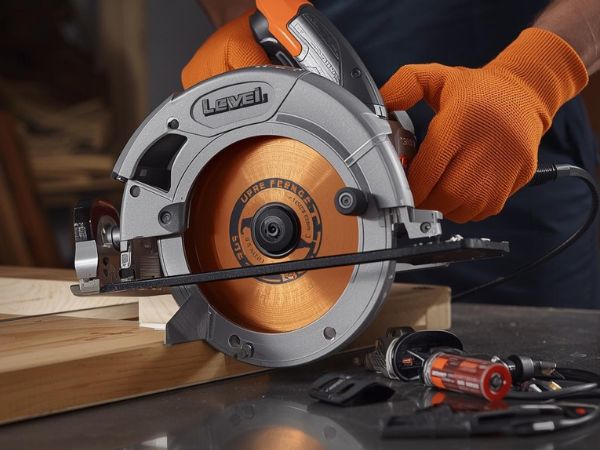
Find the best circular saw for beginners in 2026. Compare easy-to-use corded, cordless, compact, budget, and upgrade circular saws for plywood, 2x4s, shelves, home repairs, and DIY projects.
A circular saw can feel intimidating the first time you pick one up. The blade is exposed while cutting, the motor is loud, and the tool can move quickly if you are not set up correctly. But once you learn the basics, a circular saw becomes one of the most useful tools for home projects.
The best circular saw for beginners should be easy to control, powerful enough for common cuts, simple to adjust, and not so heavy that every cut feels stressful. For most first-time users, a corded 7-1/4-inch sidewinder circular saw is the safest place to start because it gives steady power, uses common blades, and costs less than many cordless kits.
For most beginners, the SKIL 5280-01 is the best first circular saw. It has a 15-amp motor, standard 7-1/4-inch blade, laser guide, dust blower, spindle lock, and a price that usually makes sense for new DIYers. If you want a lighter saw with an electric brake, the DEWALT DWE575SB is the better upgrade. If a full-size saw feels too large, the WORX WX429L compact circular saw is easier to handle for small cuts.
If you are building a larger tool setup, you may also like our guides to the best cordless drill for beginners, best impact driver for homeowners, and best belt sander for small projects.
| Category | Product | Best For |
|---|---|---|
| Best Overall for Beginners | SKIL 5280-01 15-Amp 7-1/4-Inch Circular Saw | Best first corded circular saw for most DIYers |
| Best Safety Upgrade Pick | DEWALT DWE575SB 7-1/4-Inch Circular Saw | Lightweight design and electric brake |
| Best Budget Beginner Saw | BLACK+DECKER BDECS300C 13-Amp Circular Saw | Low-cost home projects and simple cuts |
| Best Strong Budget Saw | CRAFTSMAN CMES510 15-Amp Circular Saw | More power for DIY lumber cuts |
| Best Compact Beginner Saw | WORX WX429L 4-1/2-Inch Compact Circular Saw | Small boards, sheet goods, and easier handling |
| Best Cordless Beginner Pick | DEWALT DCS391B 20V MAX 6-1/2-Inch Circular Saw | DEWALT battery users who want cordless cutting |
| Best Serious DIY Upgrade | Makita 5007MG 7-1/4-Inch Magnesium Circular Saw | Beginners who want a long-term pro-style saw |
| Product | Power Source | Blade Size | Key Specs | Best Beginner Use |
|---|---|---|---|---|
| SKIL 5280-01 | Corded | 7-1/4 in | 15 amp, 5,300 RPM, laser guide, dust blower | Best overall starter saw |
| DEWALT DWE575SB | Corded | 7-1/4 in | 15 amp, 8.8 lb, electric brake, 57-degree bevel | Safety-focused upgrade |
| BLACK+DECKER BDECS300C | Corded | 7-1/4 in | 13 amp, 5,300 RPM, laser guide, 45-degree bevel | Budget home use |
| CRAFTSMAN CMES510 | Corded | 7-1/4 in | 15 amp, 5,500 RPM, magnesium shoe, 55-degree bevel | Strong budget DIY |
| WORX WX429L | Corded | 4-1/2 in | 4 amp, 3,500 RPM, 4.4 lb, left-side blade | Compact control |
| DEWALT DCS391B | Cordless 20V | 6-1/2 in | 5,150 RPM, 0-50 bevel, tool-only | Cordless platform users |
| Makita 5007MG | Corded | 7-1/4 in | 15 amp, 5,800 RPM, magnesium build, LED lights | Long-term upgrade |
Prices and availability change often. Check the live Amazon listing before buying, especially for cordless saws that may be sold tool-only without battery or charger.
Most beginners should buy the SKIL 5280-01. It is affordable, powerful, widely available, and uses a standard 7-1/4-inch blade. It has enough power for 2x4s, plywood, shelves, workbench projects, framing lumber, and basic home repairs without forcing you into an expensive battery platform.
If safety features are your top priority, choose the DEWALT DWE575SB because it adds an electric brake that stops the blade faster after you release the trigger. It is also lightweight for a full-size 7-1/4-inch saw.
If a full-size saw feels too big, choose the WORX WX429L. It is smaller, lighter, and easier to control for simple cuts, but it is not as versatile as a full-size 7-1/4-inch circular saw.
A beginner circular saw is a good choice if you want to cut wood for home repairs, furniture projects, garage shelves, closet systems, plywood panels, outdoor projects, workbenches, and basic DIY builds.
It is especially useful for:
You may not need a circular saw if you only assemble furniture, tighten screws, or do very light indoor repairs. In that case, a cordless drill, jigsaw, or hand saw may be enough.
A beginner circular saw should help you learn safely. Raw power matters, but control matters more.
Look for:
Beginners should avoid overly heavy worm-drive saws unless they truly need them. A sidewinder circular saw is usually easier to start with because it is lighter, more common, and simpler to handle.
| Beginner Project | Best Saw Type | Best Pick |
|---|---|---|
| Cutting 2x4s | 7-1/4-inch corded saw | SKIL 5280-01 |
| Cutting plywood | 7-1/4-inch saw with fine blade | SKIL 5280-01 or DEWALT DWE575SB |
| Small boards and crafts | Compact circular saw | WORX WX429L |
| Home repairs | Corded beginner saw | BLACK+DECKER BDECS300C |
| Garage shelves | 15-amp circular saw | CRAFTSMAN CMES510 |
| Cordless cuts | Battery circular saw | DEWALT DCS391B |
| Long-term DIY setup | Better full-size saw | DEWALT DWE575SB or Makita 5007MG |
| First-time practice cuts | Corded saw and scrap wood | SKIL 5280-01 |
The blade matters too. A beginner using a good plywood blade can get cleaner results than a better saw using the wrong blade.
For most beginners, corded is the better first choice. A corded circular saw gives steady power, costs less, and does not require battery planning. You plug it in and cut.
Cordless circular saws are convenient, but they make more sense if you already own batteries from that brand. A bare cordless saw can look affordable until you add the battery and charger.
Choose corded if:
Choose cordless if:
For a first circular saw, corded usually gives beginners fewer surprises.
A 7-1/4-inch circular saw is the standard size for most users. It cuts 2x lumber in one pass, uses common blades, and works for plywood, framing lumber, shelves, decks, and general DIY.
A compact circular saw is smaller and easier to handle, but it has less cutting depth and usually less power.
Choose 7-1/4-inch if:
Choose compact if:
The safest beginner advice is this: buy a full-size saw if you want versatility, buy a compact saw if confidence and comfort matter more than cutting capacity.
Many circular saw guides focus on power, blade size, and brand name. Those details matter, but they do not answer the beginner questions that actually affect your first cuts.
The missing questions are usually:
For beginners, the best saw is not only the one that cuts fastest. It is the one that helps you make straight, controlled cuts while learning good habits.
Blade size is the diameter of the circular saw blade. A 7-1/4-inch blade is the most common size for full-size saws.
Amps describe corded motor power. A 15-amp circular saw is the common full-power corded category.
RPM means revolutions per minute. It describes how fast the blade spins with no load.
Bevel capacity tells you how far the saw can tilt for angled cuts.
Depth adjustment controls how deep the blade cuts below the shoe.
Shoe or base plate is the flat part that rides on the workpiece.
Electric brake helps stop the blade faster after you release the trigger.
Spindle lock holds the blade shaft still so blade changes are easier.
Tool-only means a cordless saw does not include battery or charger.
Kerf is the width of the cut made by the blade.
We chose beginner circular saws based on ease of use, value, common blade size, cutting ability, weight, safety features, adjustment simplicity, and project fit.
The main factors were:
We did not choose only the most powerful saws. For beginners, comfort and control are more important than owning the biggest tool on the shelf.

The SKIL 5280-01 is the best circular saw for beginners because it gives new DIYers a strong, affordable, full-size saw without making the buying decision complicated.
SKIL lists this saw with a 15-amp motor, 7-1/4-inch blade, 5,300 RPM speed, laser cutline guide, integrated dust blower, 51-degree bevel capacity with positive stop at 45 degrees, spindle lock, on-tool wrench storage, included 24-tooth carbide blade, and carrying bag.
For beginners, the appeal is simple. It uses the standard blade size, has enough power for common DIY cuts, and includes features that help you see and set up your cut. The dust blower helps keep the line visible, and the laser guide can give new users a little more confidence when learning.
This is a good first saw for cutting 2x4s, plywood, shelves, fence boards, workbench parts, and general lumber. It is corded, so you do need an outlet and safe cord management. It also does not have an electric brake, which is one reason the DEWALT DWE575SB is the safety upgrade.
Pros
Cons
Best for: beginners who want one affordable full-size circular saw for DIY projects.
Avoid if: you want an electric brake or the lightest possible saw.

The DEWALT DWE575SB is the best beginner upgrade if you want a lighter full-size saw with an electric brake.
DEWALT lists this saw at 8.8 pounds with a 15-amp motor, 7-1/4-inch blade, 5,200 RPM speed, 57-degree bevel capacity with stops at 45 and 22.5 degrees, 2-9/16-inch depth of cut, integrated dust blower, on-board blade wrench storage, contractor bag, and electric brake.
The electric brake is the main reason beginners should notice this model. It helps stop the blade faster after you release the trigger. That does not replace safe handling, but it is a useful feature for new users.
The DWE575SB is also a better long-term saw than many cheaper starter models. It is powerful enough for plywood, dimensional lumber, home projects, and serious DIY. The price is higher than the SKIL, but the added brake and lighter feel may be worth it.
Pros
Cons
Best for: beginners who want a safer-feeling upgrade with an electric brake.
Avoid if: you want the cheapest possible first circular saw.

The BLACK+DECKER BDECS300C is a simple budget circular saw for light home projects and occasional DIY.
BLACK+DECKER lists this 7-1/4-inch circular saw with a 13-amp motor, 5,300 RPM speed, laser guide, spindle lock, lightweight design, depth adjustment to 2.5 inches at 90 degrees, and bevel adjustment up to 45 degrees.
For beginners, this saw is appealing because it is affordable and easy to understand. It can handle many basic cuts around the house, including shelves, boards, plywood, and light repairs.
It is not the strongest saw in this guide, and frequent DIYers may outgrow it. But if you only need a circular saw for occasional household projects, it can be enough.
Pros
Cons
Best for: beginners who need a low-cost saw for occasional home projects.
Avoid if: you plan to cut framing lumber, plywood sheets, or outdoor projects often.

The CRAFTSMAN CMES510 is a stronger budget pick if you want 15-amp power from a familiar brand.
CRAFTSMAN lists this 7-1/4-inch circular saw with a 15-amp motor, 5,500 RPM speed, beveling shoe that pivots up to 55 degrees, stops at 22.5 and 45 degrees, magnesium shoe, metal upper and lower guards, and included carbide blade.
For beginners who expect to cut more than a few boards, this can make sense. It has more motor power than many entry-level saws and a stronger feature set than the cheapest models.
The tradeoff is that it may feel more like a general DIY saw than a beginner-specific saw. It does not have the same beginner-friendly laser guide as the SKIL or BLACK+DECKER, and it lacks the electric brake of the DEWALT DWE575SB.
Pros
Cons
Best for: beginners who want affordable 15-amp power for regular DIY.
Avoid if: you want the easiest visual guide for first-time cuts.

The WORX WX429L is the best compact circular saw for beginners who feel uncomfortable with a full-size 7-1/4-inch saw.
WORX lists this compact saw with a 4-amp motor, 4-1/2-inch blade, 3,500 RPM speed, 0-45-degree bevel setting, easy-set depth gauge, left-side blade design for cut-line visibility, vacuum adapter, parallel guide, and 4.4-pound weight.
The biggest advantage is control. This saw is much lighter than a full-size circular saw, and the smaller blade can feel less intimidating. It is useful for small boards, thin sheet goods, trim pieces, and basic home projects.
The limitation is cutting capacity. It is not as versatile as a full-size 7-1/4-inch saw, especially if you want to cut thicker lumber often. Think of it as the comfort pick, not the all-purpose power pick.
Pros
Cons
Best for: beginners who want a smaller, easier-to-control saw for light projects.
Avoid if: you want one saw for plywood sheets, framing lumber, and heavier DIY.

The DEWALT DCS391B is the best cordless beginner pick if you already own DEWALT 20V MAX batteries.
DEWALT lists this cordless 6-1/2-inch circular saw with a 5,150 RPM motor, carbide-tipped blade, lightweight magnesium shoe, rubber overmold grip, and 0-50-degree bevel capacity. It is sold as a bare tool in many listings, so battery and charger are usually separate.
For beginners, cordless is convenient because there is no cord near the cut. That can make outdoor work, garage projects, and quick cuts easier. But battery cost matters. If you are starting from zero, a corded saw is usually cheaper.
This saw is best for users already in the DEWALT platform. If you already own 20V MAX batteries, it is a practical way to add a circular saw without buying into another system.
Pros
Cons
Best for: beginners who already own DEWALT 20V MAX batteries.
Avoid if: this is your first power tool and you want the lowest total cost.

The Makita 5007MG is the best upgrade for beginners who want a saw they can grow into.
Makita lists this 7-1/4-inch circular saw with a 15-amp motor, 5,800 RPM speed, magnesium components, 10.6-pound weight, 2-1/2-inch cut capacity at 90 degrees, 0-56-degree bevel capacity with positive stops at 22.5, 45, and 56 degrees, built-in LED lights, dust blower, carbide-tipped blade, rip fence, wrench, and case.
This is more saw than most beginners need for a first weekend project, but it is a strong long-term choice for serious DIYers. The LED lights and dust blower help with visibility, and the magnesium build gives it a durable, pro-style feel.
The downside is weight and price. At 10.6 pounds, it is heavier than the DEWALT DWE575SB and may feel like too much tool for a nervous first-time user.
Pros
Cons
Best for: serious beginners who want a durable saw for years of DIY and woodworking.
Avoid if: you want the lightest or cheapest first circular saw.
The blade affects cut quality more than many beginners expect. The included blade is often fine for rough cuts, but it may not be ideal for plywood, trim, or clean visible cuts.
For beginners:
A sharp, correct blade makes the saw feel safer and easier to control.
Wear safety glasses every time you cut. Hearing protection is also smart because circular saws are loud.
Clamp the workpiece whenever possible. Do not hold a board with one hand while cutting with the other.
Set the blade depth so the teeth only extend slightly below the material. Too much exposed blade increases risk and can make the cut rougher.
Keep both hands on the saw when possible. Stand to the side of the cut line, not directly behind the blade path.
Support plywood and long boards so they do not pinch the blade near the end of the cut. Blade pinch can cause kickback.
Let the blade reach full speed before entering the cut. Keep the shoe flat on the material and move steadily.
Wait for the blade to stop before setting the saw down.
Do not make your first cut on an expensive piece of plywood or finished board. Practice on scrap wood first.
Good practice cuts include:
Practice helps you learn the sound, feel, and speed of the saw before the project matters.
Do not cut unsupported material. The offcut can fall, pinch the blade, or splinter badly.
Do not set the blade too deep. Expose only enough blade to cut through the material.
Do not use a dull blade. It makes the saw harder to push and increases heat.
Do not force the saw. If it slows down, check the blade, material support, and cut line.
Do not ignore the cord. Keep it behind the saw and away from the blade.
Do not cut without marking clearly. Use a pencil line, straightedge, or speed square.
Do not assume the laser is perfectly aligned. Mark and verify your cut.
Do not use a circular saw when a jigsaw is safer for curves or small interior cutouts.
The best circular saw for beginners is the SKIL 5280-01. It is affordable, powerful, full-size, and beginner-friendly enough for common home projects. It gives new users a practical way to learn circular saw basics without overspending.
If you want a safety-focused upgrade, choose the DEWALT DWE575SB because the electric brake and lightweight body are worth paying for. If you want the cheapest beginner option, the BLACK+DECKER BDECS300C is fine for light home use. If you want more budget power, the CRAFTSMAN CMES510 is a strong value.
If a full-size saw feels intimidating, choose the WORX WX429L compact saw. If you already own DEWALT 20V batteries, the DCS391B is a good cordless option. If you want a saw you can grow into for serious DIY, the Makita 5007MG is the upgrade.
For beginners, the right circular saw is not just about power. It is about control, setup, blade choice, and learning safe cutting habits from the first cut.
The SKIL 5280-01 is the best circular saw for most beginners because it is affordable, powerful, easy to find, and uses a standard 7-1/4-inch blade.
Most beginners should buy a corded circular saw first because it costs less, gives steady power, and does not require batteries or a charger. Cordless is better if you already own compatible batteries.
A 7-1/4-inch circular saw is best for most beginners because it is the standard size and can cut common lumber and plywood. A compact saw is easier to handle but less versatile.
Yes, a compact circular saw can be good for beginners who want lighter handling and mostly cut small boards or sheet goods. It is not as versatile as a full-size circular saw.
An electric brake is not required, but it is a useful safety feature because it helps stop the blade faster after you release the trigger. The DEWALT DWE575SB is a good beginner saw with an electric brake.
Yes. A beginner can cut plywood with a circular saw, especially with a straightedge guide and the right blade. A 40-tooth blade usually gives cleaner plywood cuts than a rough framing blade.
Yes. A full-size 7-1/4-inch circular saw can cut 2x4s easily when the board is supported correctly and the blade depth is set properly.
Wear safety glasses and hearing protection. A dust mask is also useful when cutting plywood, MDF, or treated lumber. Clamp your workpiece and keep hands away from the blade path.
Avoid overly heavy saws, unclear cordless tool-only listings, unknown brands with poor support, and compact saws if you need full-size cutting capacity.
A circular saw is better for straight cuts in boards and plywood. A jigsaw is better for curves, cutouts, and smaller controlled cuts. Many DIYers eventually use both.


