Physical Address
304 North Cardinal St.
Dorchester Center, MA 02124
Physical Address
304 North Cardinal St.
Dorchester Center, MA 02124

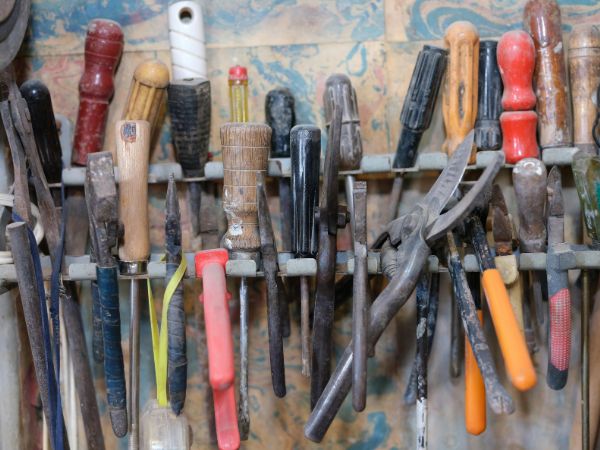
Moving into your first apartment is exciting, but small problems show up fast. A loose chair screw, a box that will not open, a curtain rod that needs measuring, a picture frame that hangs crooked, or furniture that arrives with confusing hardware can make move-in day harder than it needs to be.
The good news is that you do not need a full garage workshop. The essential tools for a first apartment should be simple, compact, renter-friendly, and easy to store in a closet, cabinet, or small tool bag.
For most renters, the right starter tool kit includes a screwdriver set, hammer, tape measure, utility knife, pliers, adjustable wrench, level, flashlight, step stool, picture hanging kit, power strip or extension cord, and a few basic fasteners. A compact cordless drill or cordless screwdriver is useful if your lease allows drilling and you plan to assemble furniture or install shelves.
If you want a complete starter setup, see our guide to the best tool set for new homeowners. If you mainly need basic hand tools, compare our best screwdriver set for home repair picks.
For a first apartment, you need basic tools for measuring, assembling furniture, hanging decor, tightening hardware, opening boxes, setting up electronics, and handling small fixes.
| Tool Category | Essential Tools | Best For |
|---|---|---|
| Measuring and hanging | Tape measure, level, pencil, painter’s tape | Curtains, frames, shelves, furniture layout |
| Furniture assembly | Screwdriver set, hex keys, compact drill | Flat-pack furniture and loose screws |
| Basic hand tools | Hammer, pliers, adjustable wrench, utility knife | Everyday apartment fixes |
| Renter-friendly wall setup | Picture hanging kit, removable hooks, drywall anchors if allowed | Decor without unnecessary wall damage |
| Safety and emergency | Flashlight, batteries, gloves, plunger, first aid kit | Move-in problems and quick fixes |
| Electronics setup | Power strip, extension cord, cable clips | Lamps, chargers, desks, and media areas |
| Storage | Small tool bag, tool box, drawer organizer | Keeping tools easy to find |
For most first apartments, start with hand tools first. Add a compact drill later if you know you will use it and your lease allows drilling.
A good first apartment tool kit should be small, useful, and renter-safe. You want tools that help with common apartment tasks without taking up too much storage space or risking damage to walls, floors, doors, or fixtures.
Look for tools that help with:
The best renter tool kit is not the biggest kit. It is the one that helps you handle small apartment problems quickly while staying within your lease rules.
A simple first apartment tool kit should include:
This setup covers most beginner apartment needs without taking over your closet.
| Apartment Task | Tools You Need |
|---|---|
| Opening moving boxes | Utility knife, scissors |
| Assembling furniture | Screwdriver set, hex keys, compact drill |
| Hanging pictures | Tape measure, level, hammer, picture hooks |
| Hanging curtains | Tape measure, level, drill if allowed |
| Setting up lamps or electronics | Power strip, extension cord, cable clips |
| Tightening cabinet handles | Screwdriver set |
| Fixing a loose chair or table | Hex keys, screwdriver, adjustable wrench |
| Measuring furniture space | Tape measure, painter’s tape |
| Reaching high cabinets | Step stool |
| Minor sink or showerhead issue | Adjustable wrench, pliers, plumber’s tape |
| Power outage | Flashlight, batteries |
| Clogged toilet or drain | Plunger |
This is why a balanced renter tool kit is better than a huge tool set. You want tools that match real apartment life: furniture, decor, small repairs, storage, cleaning, electronics, and emergencies.
A screwdriver set is one of the first tools every renter should own. You will use it for furniture, battery covers, cabinet handles, door hardware, outlet covers, small appliances, and loose screws around the apartment.
Choose a set with:
A multi-bit screwdriver can save space, but a small traditional screwdriver set gives better control for delicate screws.
For more options, see our best screwdriver set guide.
A small claw hammer is enough for most apartment tasks. You do not need a heavy framing hammer.
Use a hammer for:
If your lease limits wall holes, use removable hooks where possible. Save the hammer for approved picture hangers or small repairs.
A tape measure is essential before you buy furniture, curtains, rugs, shelves, or storage bins.
Use it to measure:
A 16-foot tape measure is enough for many apartments, but a 25-foot tape measure gives you more flexibility.
You can compare options in our best tape measure guide.
A small level helps you hang frames, mirrors, shelves, and curtain rods straight. It also helps reduce extra holes because you can get the placement right the first time.
For apartment use, a small bubble level or torpedo level is usually enough. If you hang many pictures or gallery walls, you may eventually want a laser level.
For picture hanging, see our guide to the best laser level for hanging pictures.
A utility knife is one of the most useful move-in tools. It opens boxes, cuts packing tape, trims shelf liner, scores cardboard, and helps with small cutting tasks.
Choose a retractable utility knife and keep extra blades safely stored. Do not use kitchen knives to open boxes. It is less safe and can damage the knife.
Pliers and an adjustable wrench help with gripping, tightening, bending, and small hardware fixes.
Good apartment uses include:
For a first apartment, one pair of slip-joint pliers and one adjustable wrench are enough.
Many flat-pack furniture pieces use hex bolts. The small hex key included in the furniture box can work, but it is often slow and uncomfortable.
A basic hex key set helps with:
If your first apartment has a lot of assemble-it-yourself furniture, hex keys will get used often.
A cordless drill is helpful, but not always required on day one. Many renters can start with a screwdriver set and add a compact drill later.
A drill helps with:
A cordless screwdriver is lighter and easier for furniture. A drill is more versatile if you plan to do more DIY.
If you are unsure, start with our best cordless drill for beginners guide. For furniture-heavy apartments, our best cordless screwdriver for IKEA furniture guide may also help.
Before drilling into any apartment wall, check your lease first. Never drill near outlets, switches, plumbing walls, or unknown wall spaces.
Apartment walls need careful treatment because you may want your security deposit back.
Keep these ready:
Before drilling or using anchors, check your lease. Some apartments allow small nail holes but limit anchors, screws, or wall-mounted shelves.
A folding step stool is one of the most overlooked first-apartment tools. You will use it for cabinets, curtains, smoke alarms, high shelves, closets, and light bulbs.
Choose one that:
Do not stand on chairs, boxes, or furniture during move-in. A small step stool is safer.
Apartments have dark corners: under sinks, behind appliances, inside closets, and near breaker panels. A flashlight is also important during power outages.
A headlamp is even better when you need both hands free.
Keep extra batteries nearby or choose a rechargeable light and remember to charge it.
Buy a plunger before you need one. This is one of the most important first-apartment essentials, especially for bathrooms.
A toilet plunger is different from a basic sink plunger. If you can only buy one, choose a toilet plunger with a flange. It can handle the most urgent problem.
Move-in day is when tools disappear into boxes. Keep a small kit separate and easy to reach.
Pack these in one bag:
This small kit helps with boxes, furniture, measuring, quick fixes, and basic setup before your main tools are unpacked.
Renters need tools, but they also need to avoid unnecessary damage.
Helpful renter-friendly items include:
Avoid drilling large holes unless your lease allows it. For heavy shelves, TVs, or large mirrors, ask your landlord or property manager first.
Many apartment fixes are simple and do not require maintenance.
You can usually handle:
If the repair involves wiring, major plumbing, appliances, HVAC, gas, locks, or anything structural, contact maintenance.
Your tool kit is for small tasks. Your landlord or maintenance team should handle bigger apartment problems.
Call maintenance for:
Do not try to fix anything that could violate your lease, create safety risks, or make the damage worse.
Beginners often overbuy. Most apartments do not need contractor tools.
You probably do not need:
Buy these later only if your projects grow. For your first apartment, small and practical is better.
| Budget | What to Buy |
|---|---|
| Under $30 | Screwdriver set, tape measure, utility knife |
| Under $50 | Add hammer, pliers, picture hanging kit |
| Under $100 | Add adjustable wrench, level, flashlight, step stool |
| Under $150 | Add compact cordless screwdriver or drill |
| Later upgrades | Tool box, stud finder, laser level, better drill bits |
If you are moving in soon, start with the under-$50 setup and add more after you know what your apartment actually needs.
Storage matters because apartment space is limited. Your tools should be easy to find but not in the way.
Good storage spots include:
Keep sharp tools, blades, and small fasteners away from children and pets. Store batteries indoors and away from damp areas.
For storage ideas, compare our best tool box under $100 picks.
Do not buy a huge tool kit just because the piece count is high. Many large kits include filler pieces you will not use.
Do not drill into walls before checking your lease.
Do not use adhesive hooks on dirty or textured walls without testing first.
Do not use a chair instead of a step stool.
Do not buy tool-only cordless tools unless you already own the battery and charger.
Do not ignore a plunger. It is boring until it becomes urgent.
Do not store tools loose in a kitchen drawer where blades and fasteners can become unsafe.
The essential tools for a first apartment are a screwdriver set, hammer, tape measure, utility knife, pliers, adjustable wrench, hex keys, level, flashlight, step stool, picture hanging kit, power strip or extension cord, plunger, safety glasses, and a small tool bag or tool box.
Add a compact cordless drill or cordless screwdriver if you plan to assemble furniture often or hang items your lease allows. Skip big contractor tools until you have a real project that needs them.
For apartment living, the best tool kit is simple, compact, renter-safe, and easy to find when something needs fixing.
Start with a screwdriver set, hammer, tape measure, utility knife, pliers, adjustable wrench, hex keys, level, flashlight, step stool, picture hanging kit, power strip or extension cord, plunger, and small tool box or bag.
A drill is helpful but not always required. If you assemble furniture often or need to install curtain rods or anchors, a compact drill is worth buying. Check your lease before drilling into walls.
Renters most often need a screwdriver set, tape measure, hammer, utility knife, pliers, level, flashlight, plunger, power strip, and picture hanging supplies.
Keep a utility knife, screwdriver set, tape measure, hex keys, flashlight, scissors, painter’s tape, trash bags, paper towels, phone charger, and first aid kit easy to reach.
Avoid large tools like table saws, miter saws, air compressors, nail guns, and expensive combo kits unless you already have a project that needs them.
Use a small tool bag, compact tool box, drawer organizer, or under-bed bin. Keep everyday tools together and store blades, batteries, and fasteners safely.


